Attic Spaces Without Hidden Damage
Attic Care in Lancaster for moisture concerns, odor problems, suspected mold, and damage in attic spaces
Attic problems develop out of sight, making visible staining, unexplained odors, or suspected moisture the first indication that conditions above the ceiling require attention. Moisture intrusion from roof leaks, ventilation failures, or condensation creates environments where mold colonizes insulation, sheathing, and framing, while lingering dampness produces musty odors that eventually migrate into living areas. Restoration Hunter provides attic care in Lancaster for residential properties and applicable commercial structures where warning signs suggest hidden damage, offering assessment services that identify moisture sources, contamination extent, and the specific conditions contributing to attic deterioration. The team evaluates attic spaces when property owners notice ceiling staining, detect persistent odors, or suspect problems based on previous roof failures or ventilation concerns.
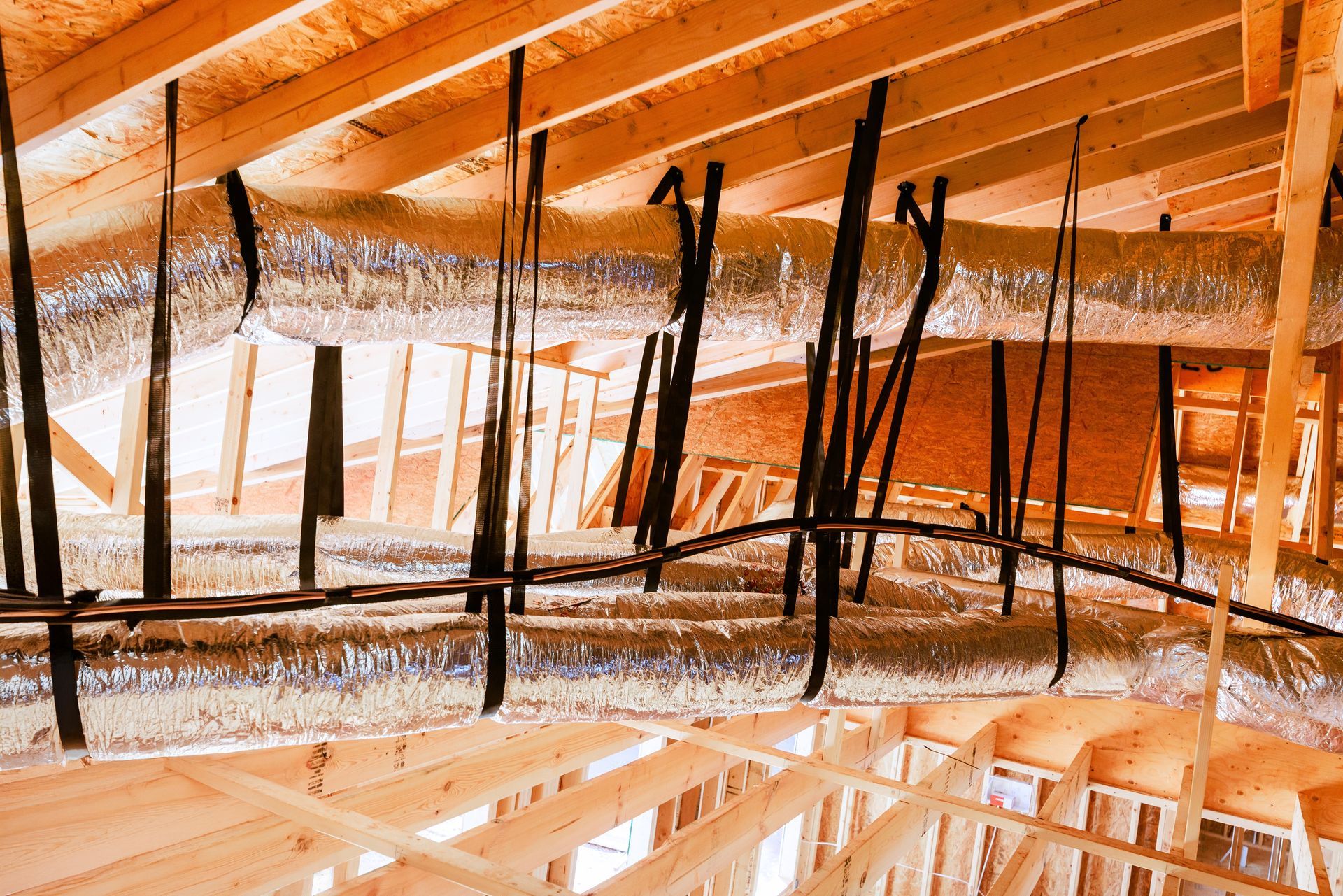
Assessment involves inspecting insulation for moisture or mold growth, checking roof sheathing and framing for staining or decay, measuring moisture levels in wood components, and identifying ventilation deficiencies that trap humidity. Attic care addresses both the existing damage and the underlying conditions—whether moisture intrusion, inadequate airflow, or contamination from previous events—that allowed problems to develop.
Arrange an attic inspection to identify moisture, mold, or damage concerns affecting the space above your ceiling.
Attic remediation removes contaminated insulation that has absorbed moisture or supported mold growth, treats or replaces affected sheathing and framing, and addresses ventilation or leak sources that introduced moisture. Contaminated materials are extracted and disposed of, while surfaces showing mold colonization are treated with antimicrobial solutions or replaced depending on contamination depth. Moisture correction may involve repairing roof penetrations, improving soffit and ridge ventilation, or sealing gaps that allowed humid air to enter the attic space.
After remediation, the musty odor that signaled attic contamination fades as affected materials are removed and the space dries completely, and ceiling staining stops expanding once the moisture source is corrected and damaged materials are replaced. Insulation returns to dry, effective condition rather than the compressed, discolored state that occurs after moisture exposure, and attic air loses the damp, heavy quality associated with poor ventilation and trapped humidity.
Attic care connects with related services when specific problems are identified—mold remediation when colonization extends beyond surface contamination, water damage response when active leaks have saturated materials, and odor control when contamination has created persistent smell issues. Restoration Hunter evaluates which services apply based on assessment findings rather than assuming every attic requires all interventions. The team has addressed attic-related concerns across Southern California for fifteen years, working with both residential and commercial properties where attic spaces require evaluation and remediation.
Common Questions About This Service
Attic concerns often involve questions about identifying problems in spaces that property owners rarely inspect, understanding when damage requires professional intervention, and recognizing conditions that lead to contamination.
What warning signs indicate attic problems?
Visible ceiling staining, musty odors that intensify during hot weather, unusually high cooling costs suggesting insulation failure, and previous roof leaks that were repaired without verifying that underlying materials dried properly all suggest potential attic damage.
How does moisture enter attic spaces in Lancaster?
Roof leaks from aging shingles or flashing failures introduce direct water intrusion, while inadequate ventilation traps humid air from living spaces below, causing condensation on cold surfaces during temperature swings despite the typically dry Southern California climate.
When does attic insulation require replacement?
Insulation that has been saturated by water, compressed by moisture weight, or contaminated by mold growth loses thermal effectiveness and requires replacement because drying alone does not restore insulating properties or eliminate embedded contamination.
What does an attic assessment include?
Assessment involves inspecting visible insulation and framing for staining or mold, using moisture meters to measure wood moisture content in sheathing and rafters, checking ventilation adequacy, and identifying roof penetrations or other moisture entry points.
Why do attic odors sometimes appear only during warm weather?
Heat accelerates off-gassing from contaminated materials and increases microbial activity in damp insulation or wood, intensifying odors that remain less noticeable during cooler periods when temperature does not drive volatile compounds into living spaces.
Restoration Hunter offers free estimates for attic evaluation, addressing moisture concerns, mold contamination, and damage affecting spaces above the ceiling. Schedule an attic assessment at (661) 800-9747 when staining, odors, or suspected problems require professional inspection and remediation.