Contaminated Areas Safely Decontaminated
Sewage Damage in Lancaster for sewage backups, plumbing failures, and contaminated water affecting homes and commercial properties
Sewage backups introduce contaminated water containing bacteria, viruses, and other pathogens into living spaces, affecting flooring, walls, and contents with material that requires professional cleanup protocols beyond standard water damage response. When sewage-contaminated water enters a property through plumbing failures, blocked sewer lines, or system overflows, the affected areas demand specialized handling because contact with contaminated materials creates health risks that persist until thorough decontamination completes. Restoration Hunter provides sewage damage services in Lancaster for properties dealing with unexpected backups or contaminated water intrusion, addressing both the visible contamination and moisture left behind in affected materials.
Professional cleanup begins with evaluating which materials contacted contaminated water, determining the extent of saturation, and identifying areas where sewage has penetrated porous materials like drywall, insulation, carpeting, or wood. Contaminated materials that cannot be effectively decontaminated require removal and disposal following protocols designed to limit exposure, while salvageable surfaces undergo antimicrobial treatment and thorough drying to restore safe use.
Contact the team promptly to arrange sewage cleanup when contaminated water has entered your property.
Sewage cleanup involves containment procedures that prevent cross-contamination during material removal, extraction of contaminated water, and antimicrobial treatment of affected surfaces. Porous materials like carpet, padding, and drywall that absorbed sewage typically require removal because decontamination cannot reliably eliminate pathogens embedded within the material structure. Non-porous surfaces such as tile, sealed concrete, or metal can be disinfected using EPA-registered antimicrobials formulated to address bacterial and viral contamination.
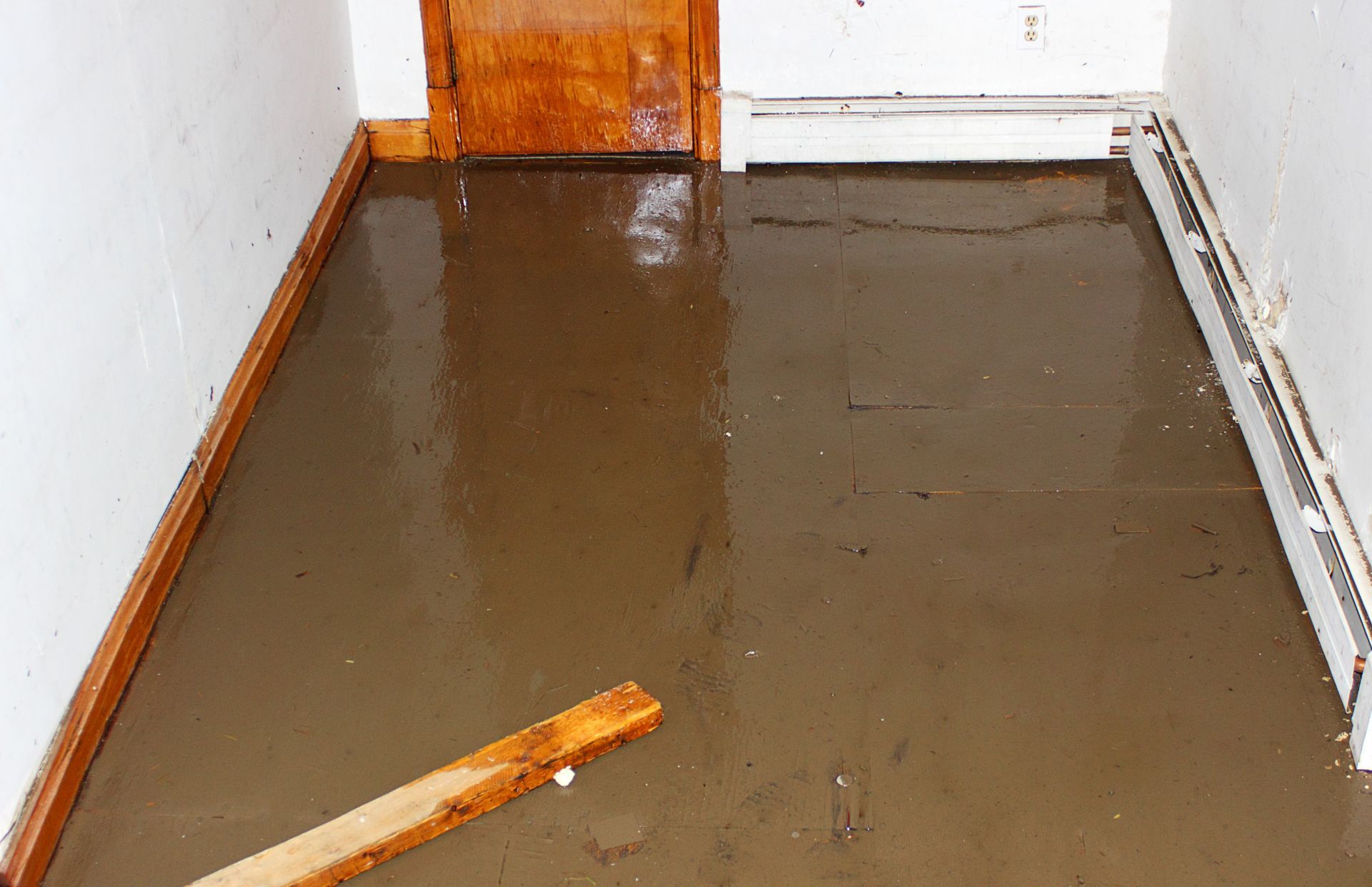
After cleanup, affected areas no longer carry the foul odor associated with sewage intrusion, surfaces return to sanitary condition without visible staining or residue, and flooring becomes safe for normal use once contaminated materials are removed and remaining surfaces are treated and dried. The discoloration and slickness that appear on floors during sewage backups disappear following extraction and disinfection, and indoor air improves as contaminated materials are removed and ventilation clears residual odors.
Sewage damage assessment includes identifying the contamination source, evaluating whether the issue involves raw sewage or contaminated drain water, and checking for moisture that has migrated into wall cavities or subfloor assemblies where it can support bacterial growth if left untreated. Restoration Hunter addresses sewage-related concerns across both residential and commercial properties throughout the Southern California service area, working with licensed and insured protocols developed over fifteen years of addressing contaminated water events.
Questions Before Starting Your Project
Sewage damage raises specific concerns about health risks, material salvageability, and decontamination standards that differ from clean water intrusion.
What makes sewage contamination different from regular water damage?
Sewage contains pathogenic bacteria, viruses, and parasites that create health risks through direct contact or airborne exposure during cleanup, requiring protective equipment, antimicrobial treatment, and material removal protocols that exceed standard water extraction procedures.
How does the team determine which materials require removal?
Materials that absorbed sewage—particularly porous items like carpet, padding, insulation, and unsealed wood—typically require removal because pathogens penetrate the material structure where surface disinfection cannot reach, while non-porous surfaces can be decontaminated if contamination remains superficial.
What decontamination process is used for salvageable surfaces?
Salvageable non-porous surfaces are cleaned to remove visible contamination, then treated with EPA-registered antimicrobial agents designed to kill bacteria and viruses, followed by thorough drying to prevent moisture-related secondary contamination in surrounding materials.
Why is prompt response important for sewage damage?
Bacteria multiply rapidly in contaminated materials, expanding the affected area and intensifying odors the longer sewage remains in place, and moisture from the backup continues migrating into surrounding materials where it increases the scope of necessary removal and treatment.
How does sewage backup happen in Lancaster properties?
Backups occur when sewer lines become blocked by debris, tree roots infiltrate aging pipes, or when municipal sewer systems experience capacity issues during heavy rain events—conditions that can affect properties throughout the service area despite the typically dry Southern California climate.
Restoration Hunter offers free estimates for properties dealing with sewage backups or contaminated water intrusion. The experienced team responds to sewage damage concerns across the service territory. Call (661) 800-9747 when sewage-related cleanup is needed to address contamination and restore affected areas safely.