Damage That Requires Immediate Response Planning
Residential Services in Lancaster for water, mold, fire, sewage, and moisture problems affecting occupied homes
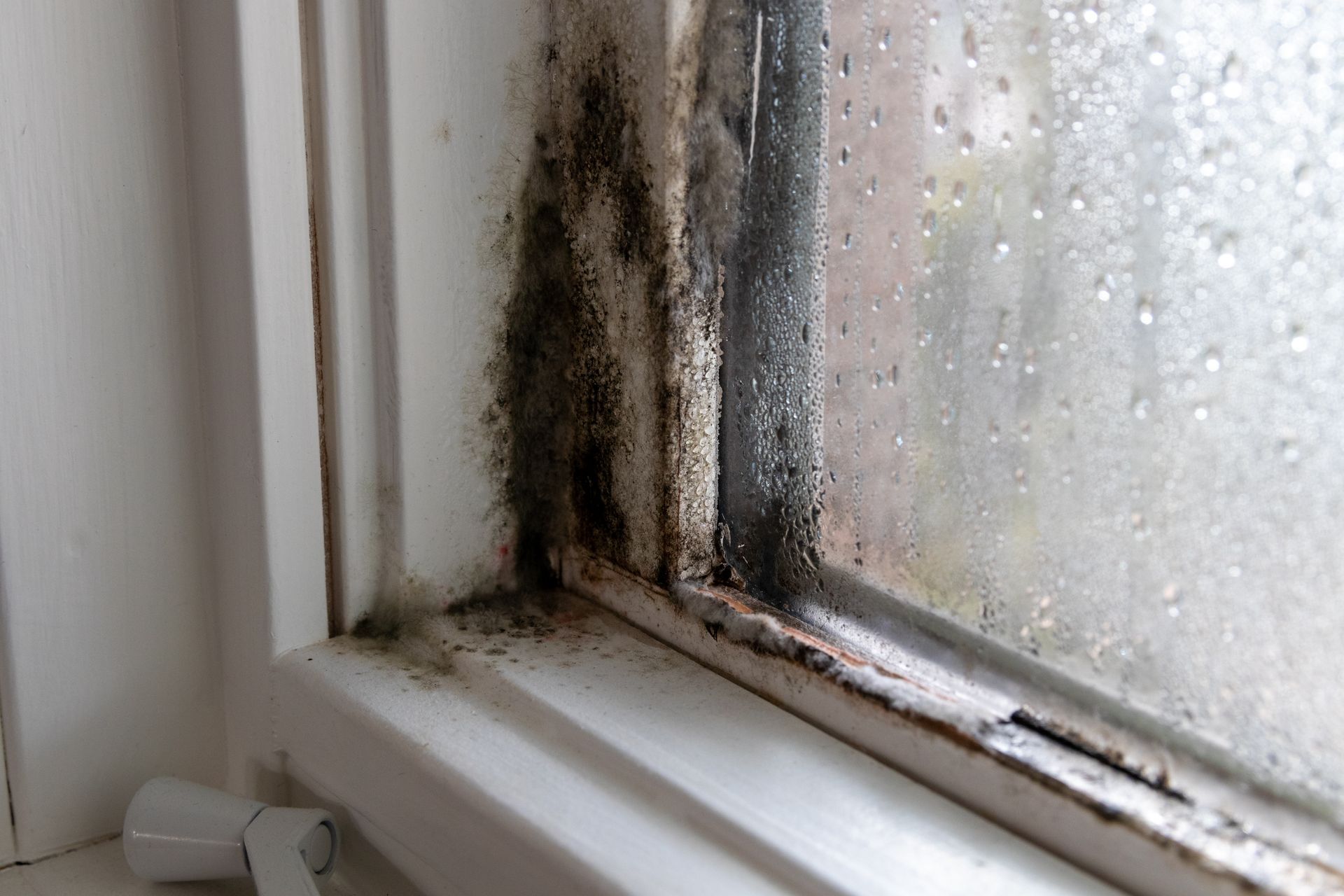
Unexpected property damage in occupied homes creates disruption that extends beyond visible destruction. Water pooling beneath flooring from a failed appliance line, mold growth detected during routine maintenance, smoke residue coating walls after a kitchen fire, or sewage backup affecting bathroom areas all require evaluation and a structured cleanup plan before living spaces return to normal use. Restoration Hunter offers Residential Services in Lancaster to address these conditions with Water Damage, Mold Remediation, Fire Damage, Sewage Damage, Attic Care, Crawl Space Care, and Odor Control solutions tailored to the specific damage affecting your property.
The approach begins with assessing the extent of damage, identifying materials that require drying or removal, and establishing a restoration timeline that minimizes household disruption. Occupied homes demand careful containment when work involves contaminated materials, moisture extraction that prevents secondary damage to adjacent rooms, and coordination with insurance processes that document conditions before cleanup begins.
Request a free estimate to evaluate damage conditions and develop a restoration plan that protects your home's living spaces.
Restoration work addresses visible damage and underlying contamination that affects structural components and air quality. Drying equipment removes moisture from saturated drywall and flooring before swelling and mold growth occur, while damaged materials such as insulation and porous finishes are removed when cleaning cannot restore them. Smoke residue is cleaned from surfaces using agents designed to break down soot particles, and sewage-affected areas are sanitized after contaminated materials are discarded.
After work is finished, you'll notice dry flooring that no longer feels soft underfoot, walls free of visible mold or water staining, and air quality that no longer carries musty or smoky odors. Rooms return to habitable condition with structural integrity preserved and contamination sources eliminated. The service is backed by fifteen years of experience and a licensed, insured team trained to handle confined spaces, moisture detection, and material removal in occupied residential environments.
Some projects require coordination with rebuilding contractors once drying and remediation are complete, while others involve moisture monitoring over several days to confirm that concealed structural components have reached safe levels. Military and medical personnel receive discounts on residential restoration services throughout Lancaster, Santa Clarita, the San Fernando Valley, and surrounding communities.
Common Questions About This Service
Homeowners facing damage often want to know how quickly work can begin, what the restoration process involves, and how different damage types are addressed within a residential setting.
What happens during the initial property assessment?
The team inspects affected areas to determine the extent of water, mold, fire, or sewage damage, identifies materials that require drying or removal, and provides documentation that supports insurance claims and establishes the scope of restoration work.
How does restoration differ for water damage versus fire damage in Lancaster homes?
Water damage requires moisture extraction and drying to prevent mold growth, while fire damage involves soot removal, odor treatment, and assessment of structural components exposed to heat, with each requiring specialized equipment and techniques suited to the contamination type.
When should mold remediation be scheduled if moisture problems are identified?
Remediation should begin as soon as conditions allow safe access, typically after moisture sources are controlled and before fungal growth spreads to additional materials, preventing more extensive removal and higher restoration costs.
What factors influence how long residential restoration takes?
The size of the affected area, the type of contamination present, drying requirements for structural components, and the need for material removal all determine the timeline, with most projects requiring several days for moisture monitoring and containment work.
Why is attic and crawl space evaluation included in residential services?
Moisture, smoke, and contamination often migrate to concealed areas where problems worsen undetected, making inspection of attics and crawl spaces essential for identifying hidden damage that affects overall property conditions and indoor air quality.
Restoration Hunter provides free estimates and experienced service for homeowners throughout the Lancaster area dealing with unexpected property damage. Schedule a consultation to discuss your restoration needs and receive a detailed plan based on current conditions.