Smells That Reveal Underlying Contamination
Odor Control in Lancaster for persistent smells from smoke, sewage, water damage, and mold-related conditions
Persistent property odors typically indicate contamination absorbed into porous materials rather than temporary air quality concerns. When you detect smoke residue lingering weeks after a fire, sewage smells rising from affected flooring, or musty odors developing near water-damaged walls, the source material requires cleanup before air quality improves. Restoration Hunter delivers Odor Control in Lancaster by identifying contamination sources and addressing the damaged materials that continue releasing odors into occupied spaces.
The service focuses on determining what caused the odor—whether fire soot, sewage contact, mold growth, or decomposition—and then addressing the affected materials through cleaning, deodorization, or removal. Covering odors with fragrance products fails because the contamination remains embedded in drywall, insulation, carpeting, and structural components. Effective odor control requires treating or removing the materials where contamination has been absorbed.
Schedule an assessment to identify the likely odor source and determine what cleanup steps will restore indoor air quality.
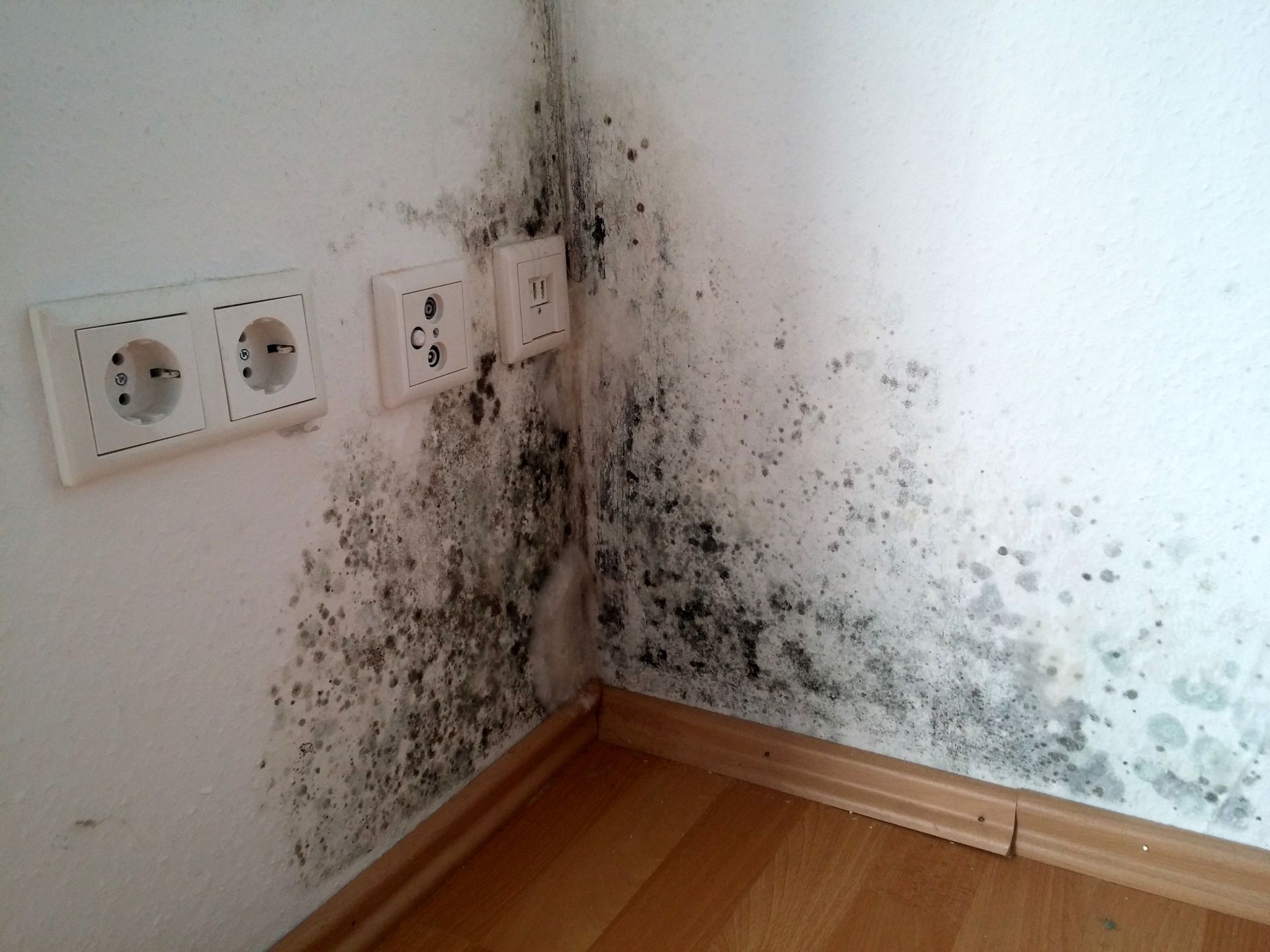
Evaluation begins by inspecting areas where odors are strongest and identifying materials that show visible contamination, moisture damage, or residue accumulation. Smoke odors often require specialized cleaning agents to break down soot particles embedded in surfaces, while sewage and organic contamination may necessitate material removal when porous finishes cannot be adequately sanitized. Moisture-related odors tied to mold growth are addressed by drying affected areas and removing contaminated materials that support continued fungal activity.
After deodorization, you'll notice the absence of the persistent smell that previously circulated through HVAC systems or clung to furniture and fabrics. Rooms no longer carry smoke residue that transfers to clothing, and flooring areas affected by water or sewage damage no longer emit musty or foul odors when humidity rises. The approach eliminates contamination rather than temporarily masking it.
Some situations require air scrubbing equipment to remove airborne particles while cleaning progresses, and others involve sealing materials that cannot be fully deodorized. Odor Control often connects with Fire Damage, Sewage Damage, Water Damage, or Mold Remediation when the contamination source requires broader restoration work.
Answers to Frequent Service Questions
Property owners throughout Lancaster and the surrounding service area often ask how odor removal differs from standard cleaning and what determines the level of intervention required.
What makes property odors persist even after cleaning?
Contamination absorbed into porous materials such as drywall, insulation, carpeting, and wood framing continues releasing odor molecules into the air long after surface cleaning, requiring treatment or removal of the affected material rather than superficial deodorization.
How is the odor source identified during evaluation?
Inspection focuses on areas with visible damage, moisture history, or contamination patterns, combined with odor intensity at different locations to determine which materials hold the contamination responsible for ongoing air quality problems.
When does odor control require material removal instead of cleaning?
Sewage contact, extensive smoke penetration, and prolonged mold growth often saturate porous finishes beyond what cleaning agents can effectively treat, making removal necessary to eliminate the contamination source and restore indoor air quality.
Why do smoke odors sometimes return weeks after a fire?
Residue trapped in HVAC ductwork, insulation cavities, and wall assemblies continues releasing particles when temperatures or humidity levels change, requiring thorough deodorization of hidden areas in addition to visible surfaces.
What role does ventilation play in Lancaster properties with persistent odors?
Proper airflow during and after cleanup accelerates drying, reduces airborne particle concentrations, and prevents contamination from spreading to unaffected areas, particularly in commercial environments where occupancy schedules limit access for restoration work.
Restoration Hunter offers free estimates and fifteen years of experience addressing odor concerns tied to fire, water, sewage, and mold-related damage. Contact the team to arrange an evaluation and develop a deodorization plan for your home, rental property, or commercial space.