Structures Cleared of Smoke Residue
Fire Damage in Lancaster for cleanup and restoration following fire events, smoke contamination, and lingering odors
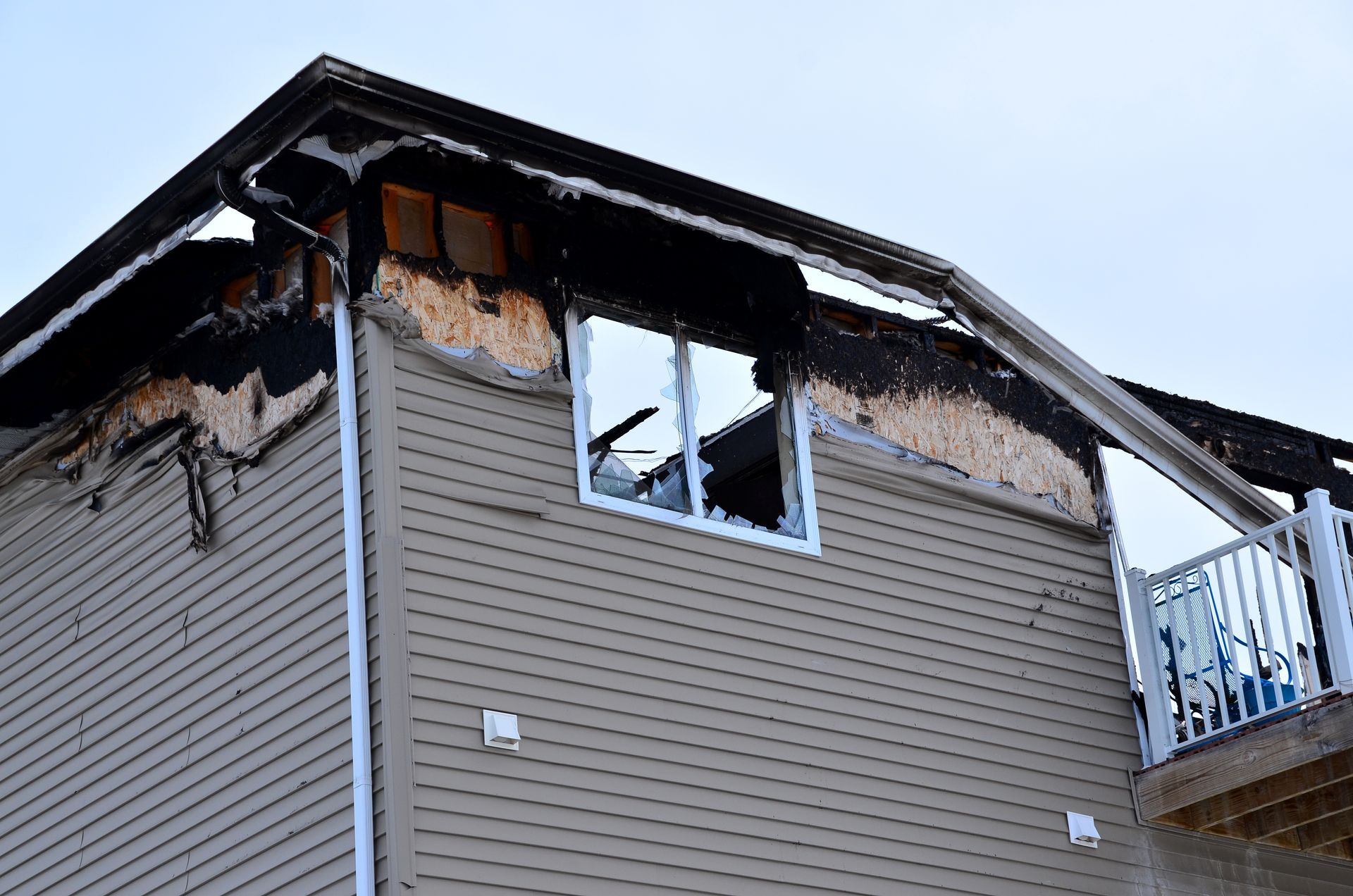
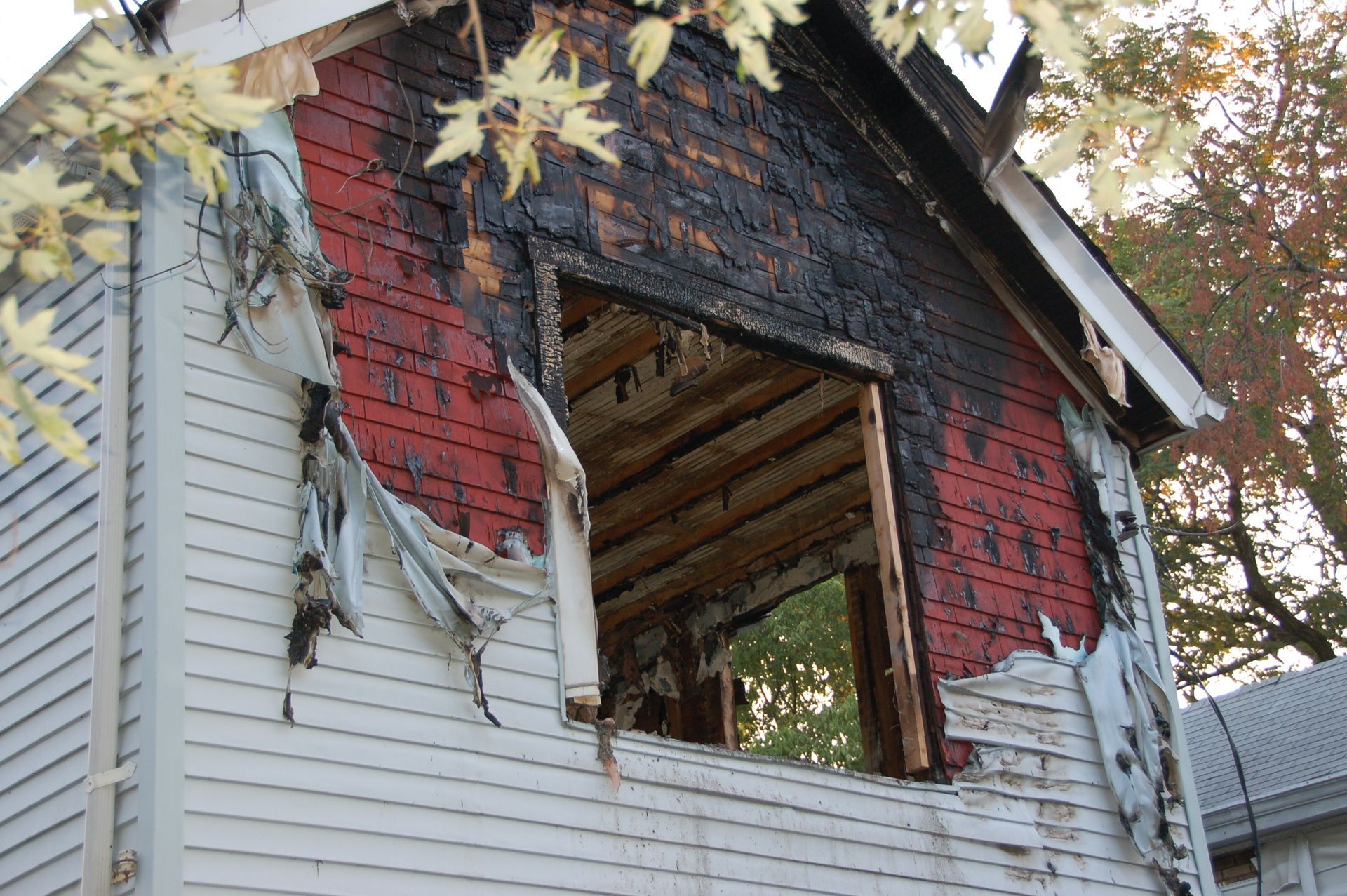
Fire events leave behind damaged materials, smoke residue, and odors that persist long after flames are extinguished, affecting walls, ceilings, flooring, and contents throughout affected areas. Restoration Hunter addresses fire damage in Lancaster for homes and commercial properties dealing with multiple restoration concerns following fire exposure, including charred surfaces, soot deposits, and smoke infiltration into porous materials. The process begins with assessing the extent of damage, identifying which materials require removal versus cleaning, and developing a restoration plan that addresses both visible destruction and residual contamination that continues affecting indoor air quality and surfaces.
Cleanup involves removing unsalvageable materials, treating surfaces contaminated by smoke and soot, and addressing odors embedded in materials that absorbed combustion byproducts. Fire damage restoration extends beyond repairing burned areas to include decontaminating spaces where smoke traveled, even when those areas show no visible charring. The team evaluates structural stability, residue distribution, and odor penetration before determining the appropriate cleanup and restoration approach.
Schedule a fire damage assessment to evaluate affected materials and determine the restoration plan following a fire event.
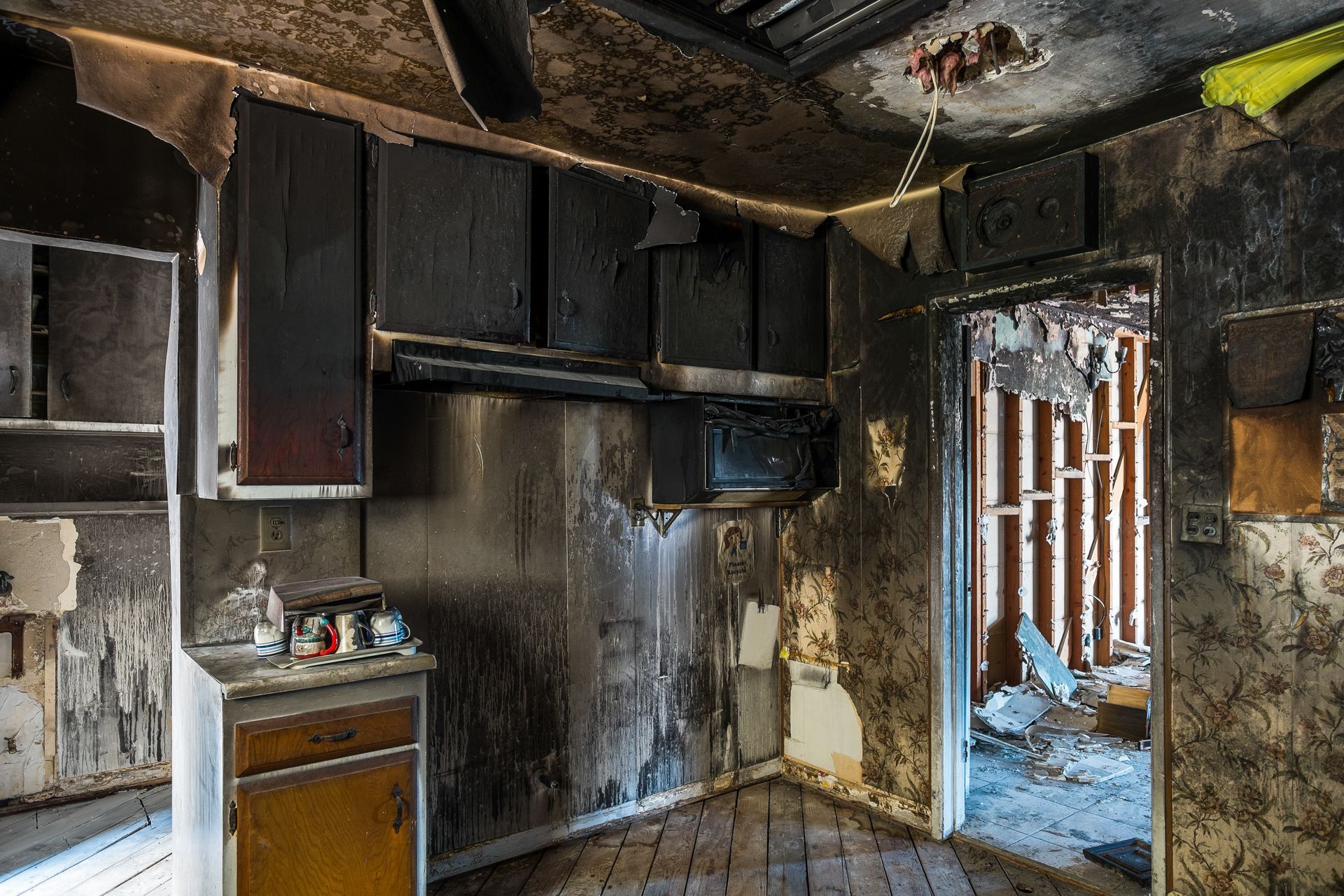
Fire cleanup targets soot residue that coats surfaces throughout affected areas, using specialized cleaners formulated to break down combustion byproducts without smearing or embedding residue deeper into porous materials. Smoke odor removal involves identifying materials that have absorbed combustion gases—such as drywall, insulation, carpeting, and textiles—and either treating those materials with odor-neutralizing agents or removing them when absorption exceeds what surface treatment can address. Air scrubbers and ventilation protocols reduce airborne particulates and residual odors during the cleanup process.
Once cleanup completes, surfaces no longer show the greasy film or black streaking associated with soot deposits, and the acrid smell of smoke fades as contaminated materials are removed or treated. Walls and ceilings return to their original color rather than the yellowed or blackened appearance caused by smoke staining, and indoor air loses the sharp, irritating quality that follows fire events. Materials treated for odor stop releasing the persistent smell that reappears each time temperature or humidity rises.
The scope of fire damage extends beyond visibly burned areas to include rooms where smoke traveled through ventilation systems or open doorways, depositing residue on surfaces far from the fire source. Restoration Hunter evaluates the full distribution of smoke damage before determining which areas require intensive cleaning versus lighter decontamination. Odor control becomes a related capability for properties where smoke infiltration affects multiple rooms or where combustion odors persist despite initial cleaning. The licensed and insured team has handled fire-related property damage across Southern California for fifteen years, working with both residential and commercial properties.
Answers to Frequent Service Questions
Fire damage cleanup involves technical questions about residue removal, odor elimination, and distinguishing between materials that can be restored versus those requiring replacement.
What happens during the initial fire damage assessment?
The team inspects the fire area to evaluate structural stability, measures the extent of smoke and soot distribution throughout the property, identifies materials that are salvageable versus those requiring removal, and tests for residual odors to determine the scope of decontamination needed.
How is soot residue removed from different surfaces?
Non-porous surfaces like metal or glass are cleaned with specialized degreasers that dissolve soot without spreading it, while porous materials like drywall or wood require dry sponges or vacuuming before wet cleaning to prevent residue from being driven deeper into the material structure.
Why do smoke odors persist after visible cleaning?
Combustion gases penetrate porous materials like insulation, subflooring, and wall cavities where surface cleaning cannot reach, and these materials continue releasing odor as temperature and humidity fluctuate unless they are sealed, treated with deep-penetrating neutralizers, or removed entirely.
What determines whether fire-damaged materials need replacement?
Materials with structural compromise from heat exposure, heavy charring that penetrates beyond surface layers, or deep smoke absorption that cannot be neutralized typically require removal, while materials with surface-level soot or minimal heat damage can often be cleaned and restored.
How quickly should fire damage cleanup begin?
Prompt response limits secondary damage because acidic soot residue continues etching surfaces, corroding metals, and staining materials the longer it remains in place, and smoke odors become more difficult to eliminate as combustion gases bond with porous materials over time.
Restoration Hunter provides free estimates for properties dealing with fire and smoke damage across Lancaster and throughout the service territory. The experienced team responds to fire-related restoration concerns at (661) 800-9747 when cleanup and odor removal are needed following fire events.