Surfaces Free From Active Growth
Mold Remediation in Lancaster for moisture problems, previous water damage, and damp areas where mold has developed
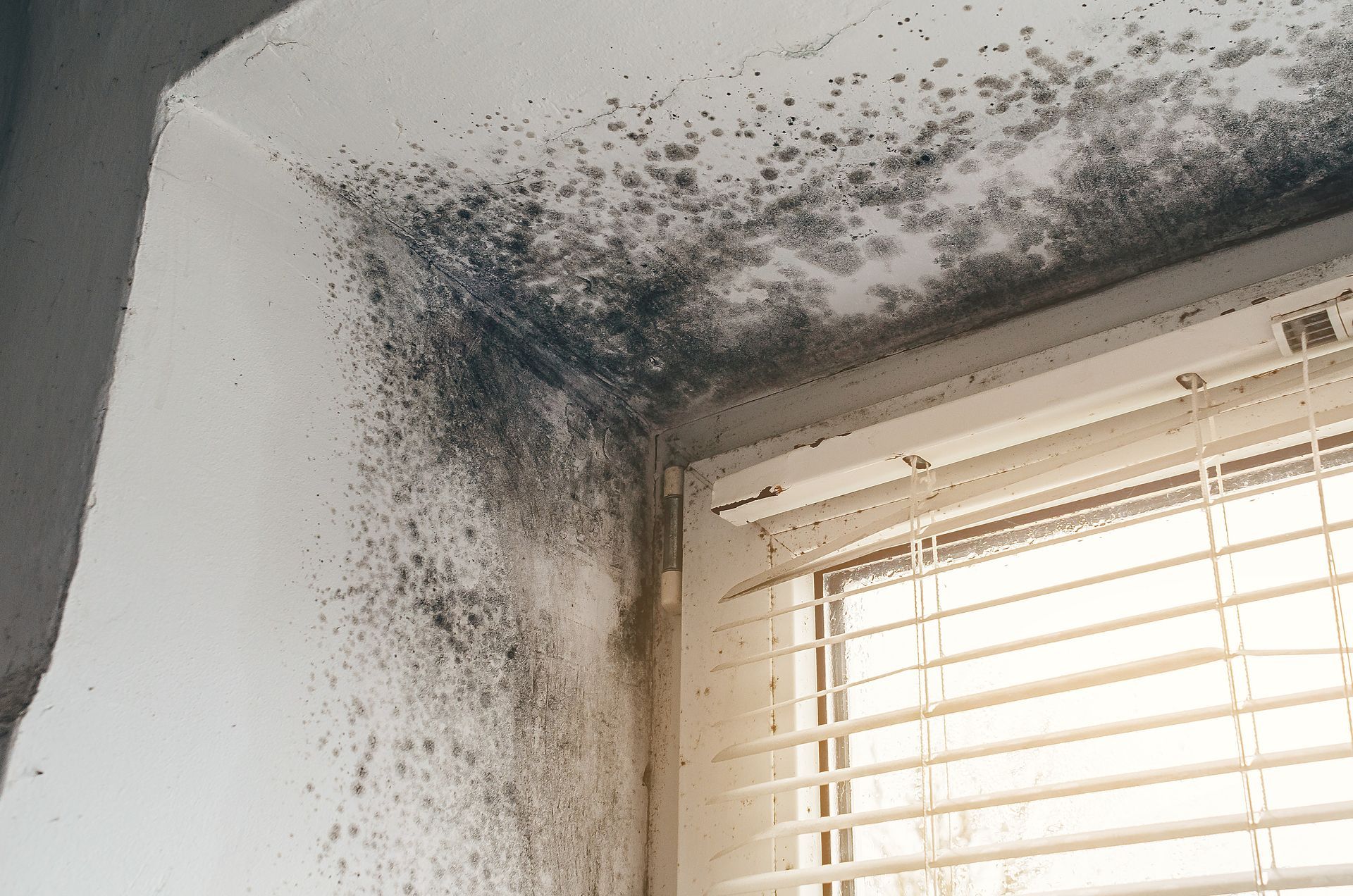
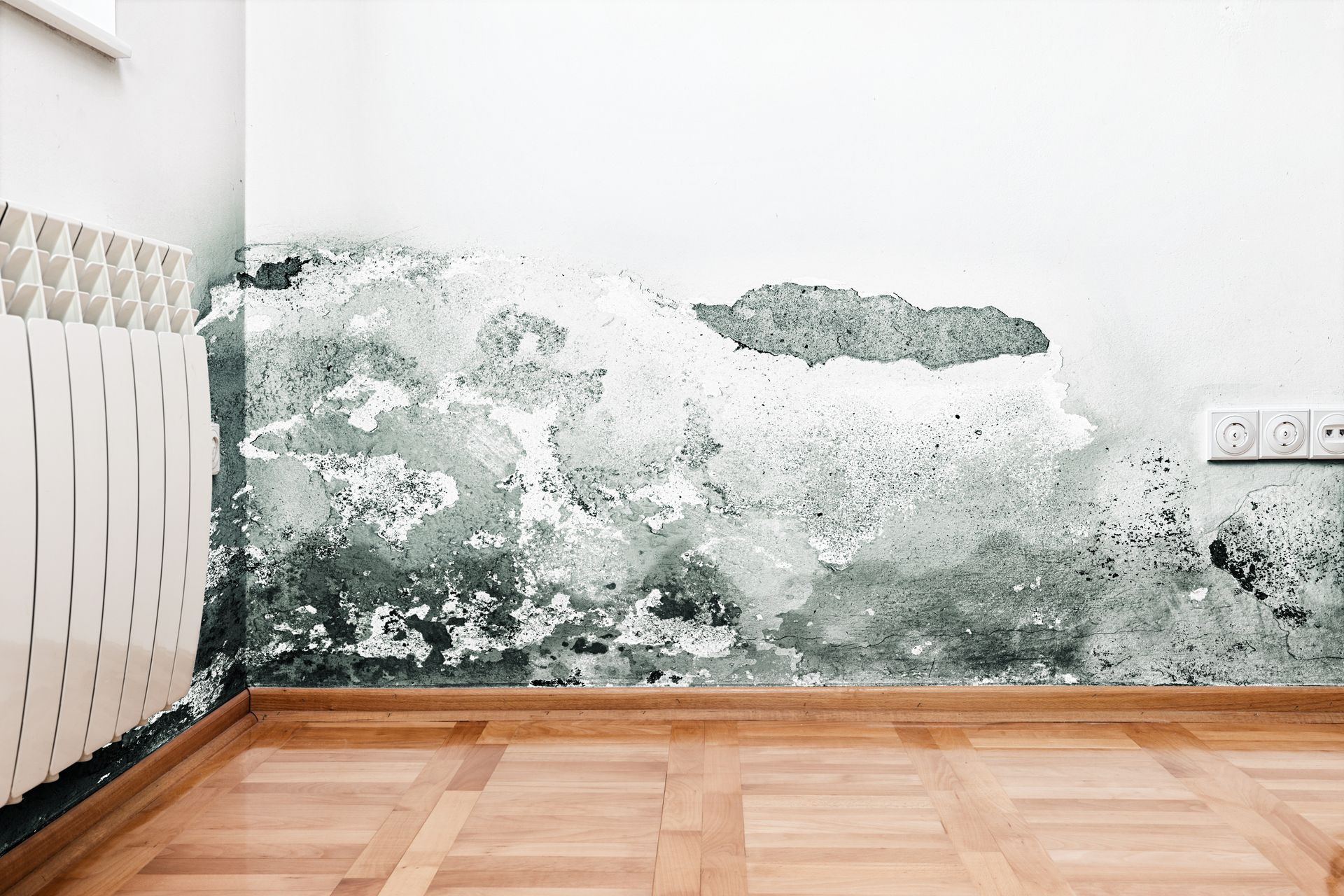
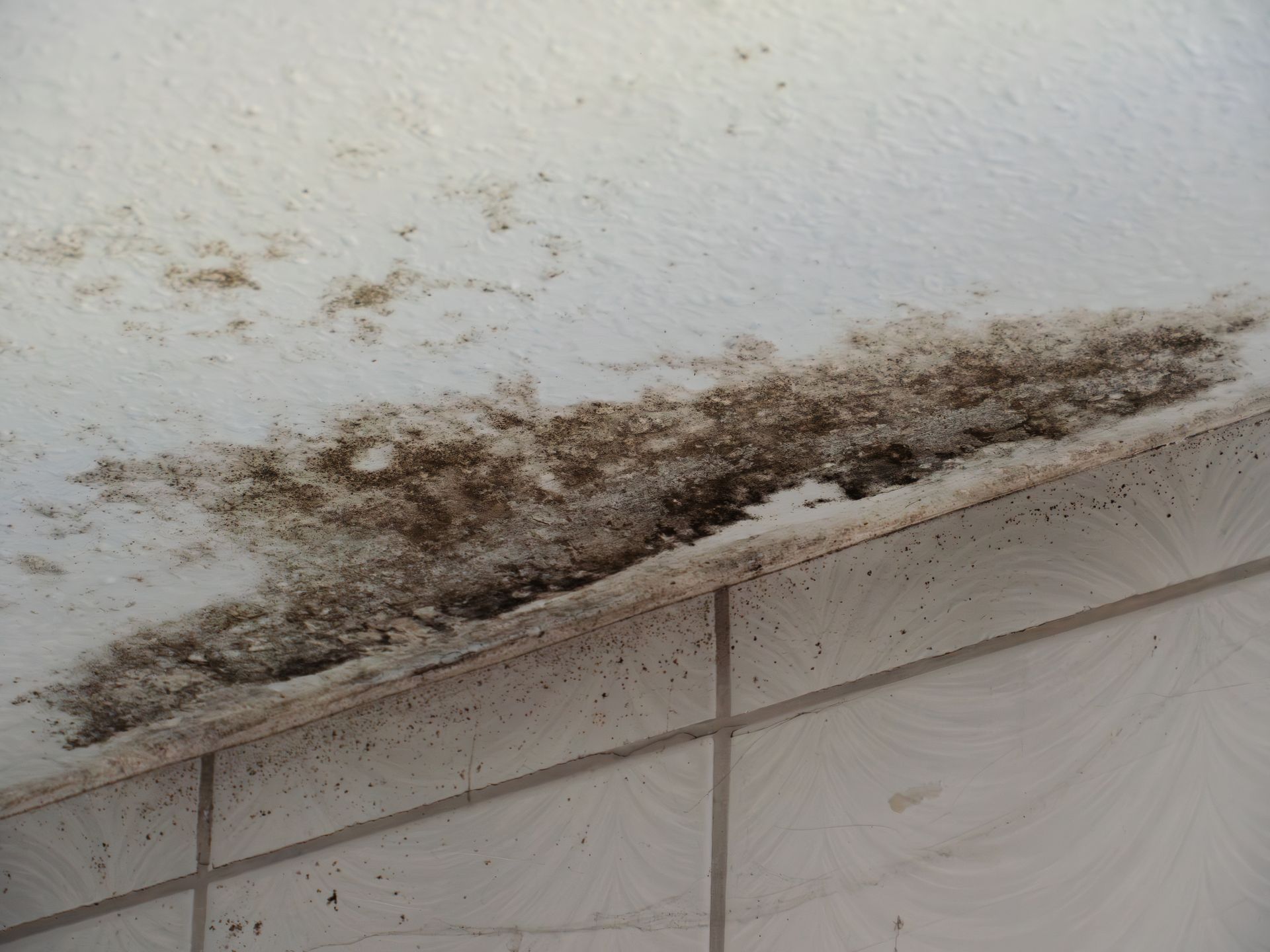
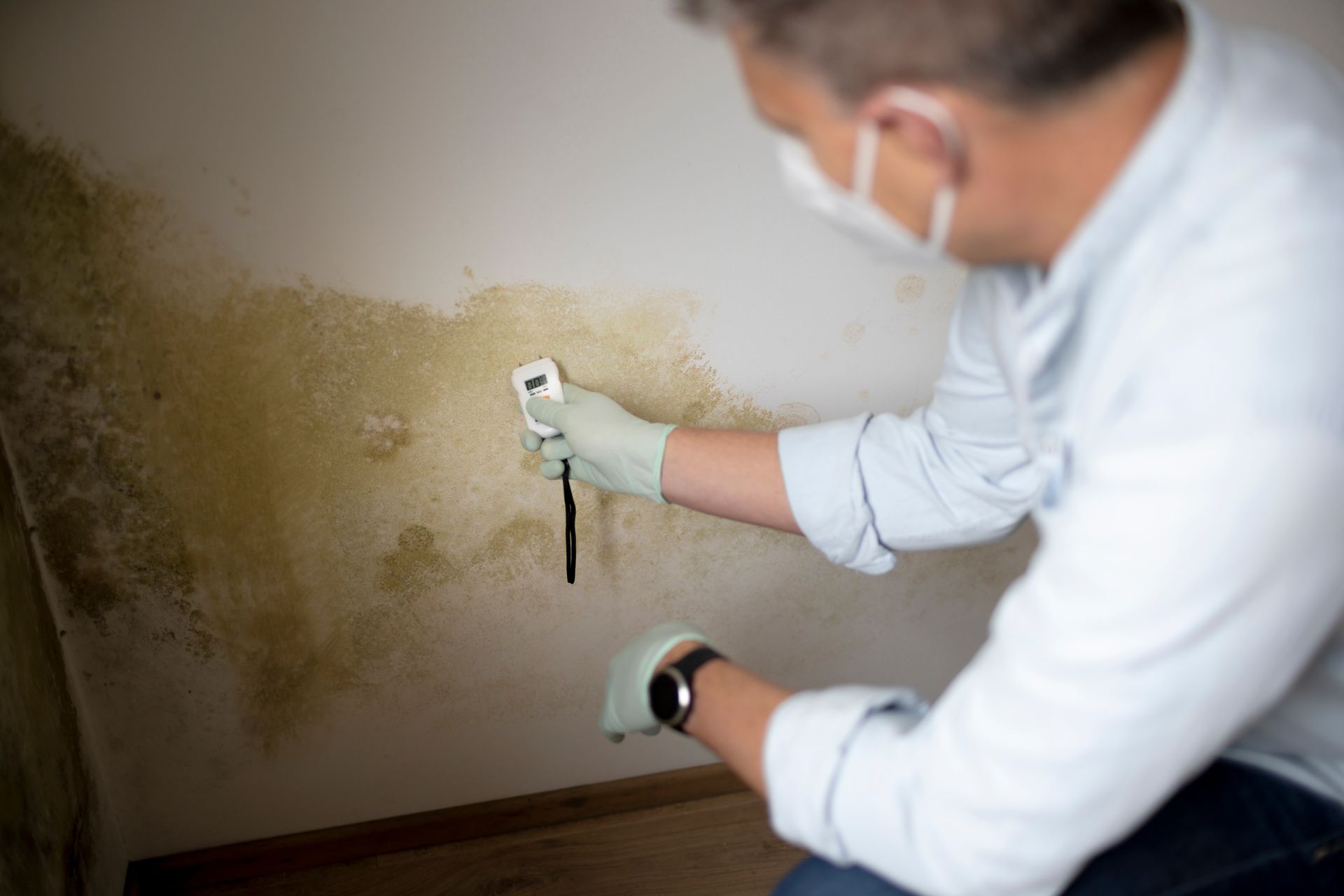
Mold growth follows moisture intrusion, appearing in areas where leaks, incomplete drying after water events, or persistent dampness create conditions that support colonization on drywall, wood, insulation, and other porous materials. Restoration Hunter provides mold remediation in Lancaster for residential and commercial properties where visible mold has appeared or where musty odors and previous water damage suggest hidden growth within wall cavities, attic spaces, or crawl space areas. The team evaluates affected areas to determine the extent of contamination and the moisture conditions that allowed mold to establish, then develops a remediation plan addressing both the visible growth and the underlying dampness.
Assessment identifies which materials are affected, where moisture persists, and whether mold has spread beyond the initially visible area. Remediation involves isolating contaminated zones, removing materials that cannot be effectively cleaned, treating surfaces where growth has occurred, and addressing moisture sources that would otherwise allow mold to return. The process targets both the existing contamination and the environmental conditions that enabled it.
Request a mold assessment to identify affected materials and moisture conditions contributing to indoor growth.
Remediation begins with containing the affected area to prevent spore dispersal during material removal and cleaning. Heavily contaminated materials like saturated drywall, soaked insulation, or moldy ceiling tiles are removed and disposed of because cleaning cannot restore structural integrity or eliminate embedded growth. Surfaces that remain structurally sound but show surface contamination are treated with antimicrobial solutions designed to address residual spores.
After remediation, previously moldy surfaces no longer show visible discoloration or texture changes associated with active growth, and the musty odor that accompanies mold colonization fades once contaminated materials are removed and affected areas dry completely. Walls and ceilings return to stable condition without the fuzzy or slimy texture that indicates ongoing colonization, and air quality improves as spore levels drop following source removal.
Effective remediation also requires identifying and correcting the moisture source, whether that involves repairing leaks, improving ventilation in damp areas, or completing delayed drying from previous water damage. Restoration Hunter connects mold remediation with water damage response, attic care, and crawl space evaluation when moisture problems extend beyond the initially visible contamination. Remediation without moisture correction leads to recurrence, so the team addresses both the biological contamination and the environmental conditions behind it.
What Property Owners Usually Ask
Questions about mold remediation often involve distinguishing between surface cleaning and professional removal, understanding when materials require replacement, and recognizing moisture conditions that lead to recurrence.
What determines whether materials need removal or can be cleaned?
Porous materials that have absorbed moisture and supported deep colonization—such as drywall, insulation, or ceiling tiles—typically require removal because mold penetrates the material structure, while non-porous surfaces like metal or glass can often be cleaned if contamination remains superficial.
How does the team identify mold in hidden areas?
Assessment includes checking behind walls where staining or moisture readings suggest problems, inspecting attic spaces and crawl areas where ventilation issues create damp conditions, and evaluating areas adjacent to known mold growth because spores spread through air movement and moisture wicking.
Why does mold return after cleaning?
Mold recurs when the moisture source remains unaddressed—cleaning removes visible growth, but spores recolonize quickly if leaks, condensation, or dampness persist, making moisture correction as important as contamination removal.
What should I look for in a remediation company?
Look for companies that assess moisture levels using calibrated meters, explain which materials require removal versus treatment, provide documentation of the remediation process, and address underlying moisture problems rather than simply cleaning visible mold.
How does the dry climate in Lancaster affect mold risk?
While low humidity across Southern California reduces widespread mold risk, localized moisture from plumbing leaks, roof failures, or poor attic ventilation still creates conditions for growth, particularly in enclosed spaces where dampness persists despite outdoor dryness.
Restoration Hunter offers free estimates for properties dealing with mold contamination, persistent dampness, or indoor odors suggesting hidden growth. The team has addressed mold-related concerns across residential and commercial properties for fifteen years. Arrange an evaluation at (661) 800-9747 when mold is discovered or suspected.