Flooring and Walls That Stay Dry
Water Damage in Lancaster for plumbing failures, leaks, and indoor flooding that saturate building materials
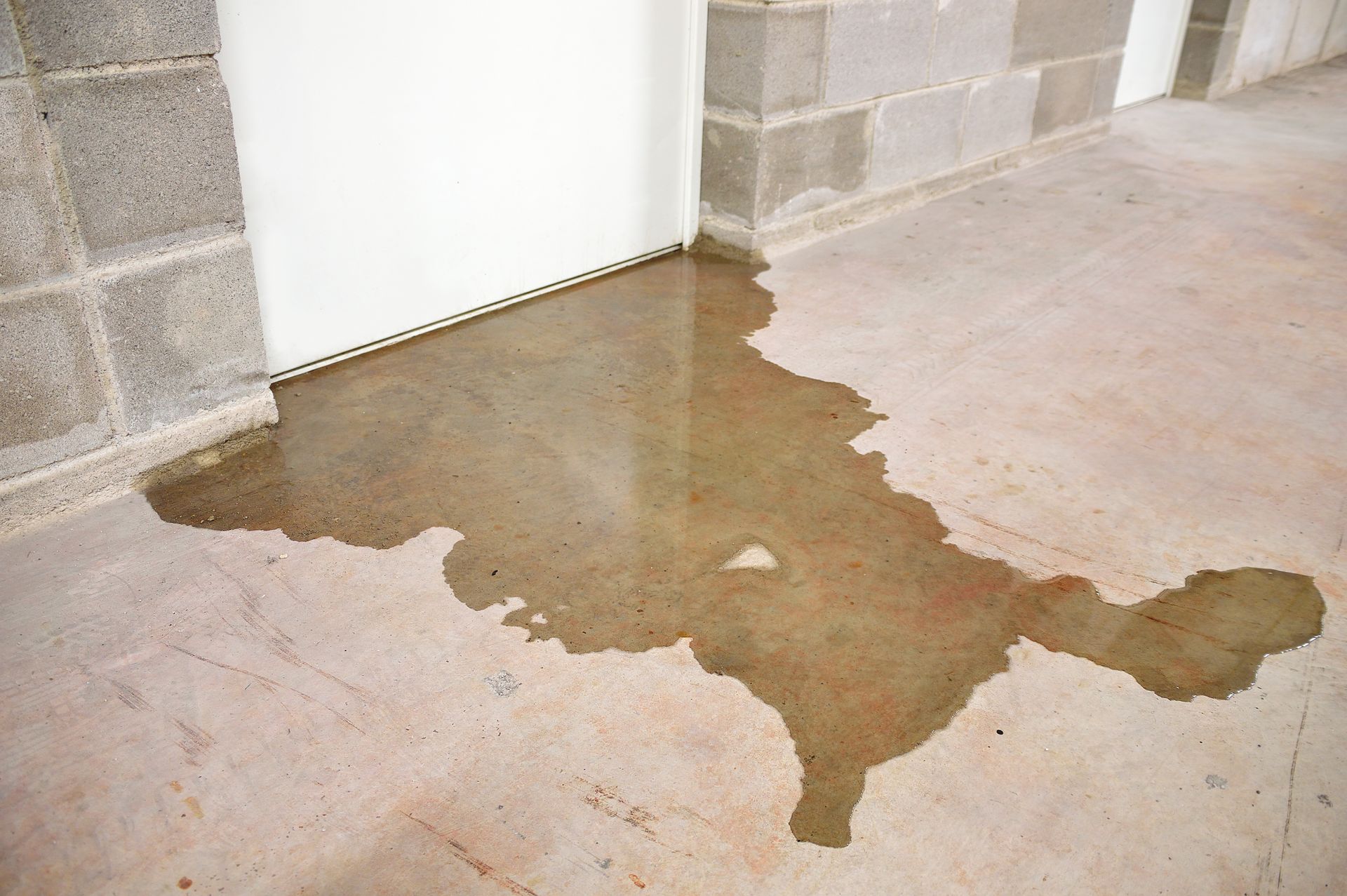
Restoration Hunter addresses water damage across Lancaster with services designed for properties where plumbing failures, supply line leaks, appliance overflows, or other unexpected sources have introduced standing water or saturation into floors, walls, and structural materials. When water moves beyond surface pooling and penetrates drywall, subflooring, insulation, or framing, the response shifts from cleanup to extraction and drying protocols that address moisture trapped inside building assemblies. Properties across Lancaster and surrounding Southern California communities face water events that require assessment of both visible pooling and hidden saturation within walls and floor systems.
The process begins with evaluating the extent of water intrusion, identifying affected materials, and determining moisture levels in flooring, wall cavities, and structural components. Extraction removes standing water, while drying equipment targets moisture embedded in materials that would otherwise remain damp long after visible water disappears. Addressing trapped moisture prevents secondary damage patterns that develop when saturated materials stay wet for extended periods.
Schedule a property assessment to evaluate saturation levels and affected building materials following a water event.
Water removal addresses surface pooling, but drying protocols target moisture that has migrated into porous materials like drywall, wood framing, and subfloor panels. Moisture meters measure saturation levels within these materials, guiding equipment placement and drying duration. Air movers and dehumidifiers work together to pull moisture from building assemblies, reducing humidity levels that slow evaporation and extend drying times.
Once affected materials return to normal moisture levels, flooring no longer feels spongy underfoot, walls stop releasing dampness, and the musty odor associated with prolonged wetness dissipates. Structural materials dry to stable moisture content, and surfaces become firm rather than yielding to pressure. Materials that dry properly resume their original function without the swelling, warping, or decomposition that occurs when moisture remains trapped.
The scope of drying depends on how far water traveled and which materials absorbed moisture. Flooring that appears dry on the surface may still hold water in underlayment or subfloor layers, while wall cavities can retain moisture even after visible staining fades. Restoration Hunter evaluates moisture distribution before determining equipment placement, drying duration, and which materials require removal versus drying in place. The team has addressed water damage across residential and commercial properties for fifteen years, working with licensed and insured protocols throughout the service area.
Common Questions About This Service
Properties experiencing unexpected water intrusion often involve questions about drying timelines, equipment needs, and what remains hidden after surface water disappears.
What happens during the initial water damage assessment?
The team evaluates the source of water intrusion, measures moisture levels in affected materials using calibrated meters, and identifies which areas require extraction, drying, or material removal based on saturation depth and contamination level.
How long does the drying process typically take?
Drying duration depends on the volume of water, the porosity of affected materials, and ambient humidity levels—dense materials like hardwood or plaster require longer drying periods than surface finishes, and equipment remains in place until moisture readings return to normal ranges.
Why does water damage require more than removing standing water?
Water migrates into subflooring, wall cavities, and insulation where it remains trapped even after visible pooling is extracted, and without targeted drying, these materials stay saturated long enough to support mold growth, structural weakening, and persistent odors.
What materials typically require removal versus drying?
Non-porous materials like tile or sealed concrete can be dried in place, while porous materials like carpet padding, soaked insulation, or heavily saturated drywall often require removal because they retain contamination or lose structural integrity once saturated.
How does climate in Lancaster affect water damage response?
Low humidity and warm temperatures across Southern California can accelerate surface evaporation but also create the false impression that materials have dried when moisture remains trapped in deeper layers, making thorough assessment and monitoring necessary regardless of visible dryness.
Restoration Hunter provides free estimates for properties dealing with plumbing failures, leaks, or unexpected water intrusion. Contact the team at (661) 800-9747 when water damage is discovered and materials require professional extraction and drying.